
What’s The Job Market For Shipping Container Solutions Professionals?
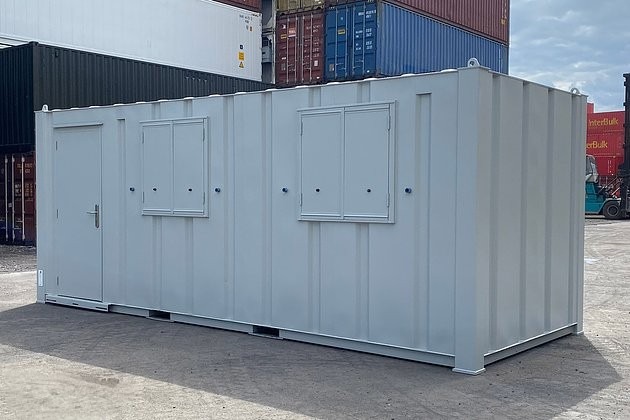
Shipping Container Solutions: Versatile Options for Modern Needs
Shipping Container Office containers have actually evolved beyond their initial function of carrying products around the world. Today, they serve a variety of functions, showing to be multifunctional solutions for companies, people, and communities. This article explores numerous shipping container solutions, highlighting their advantages, applications, and frequently asked questions.
The Versatility of Shipping Containers
Shipping containers are robust, durable, and designed to withstand harsh weather. Their modular nature allows them to be adjusted for various usages, making them a popular option for a vast array of markets. Below, we classify their applications and benefits.
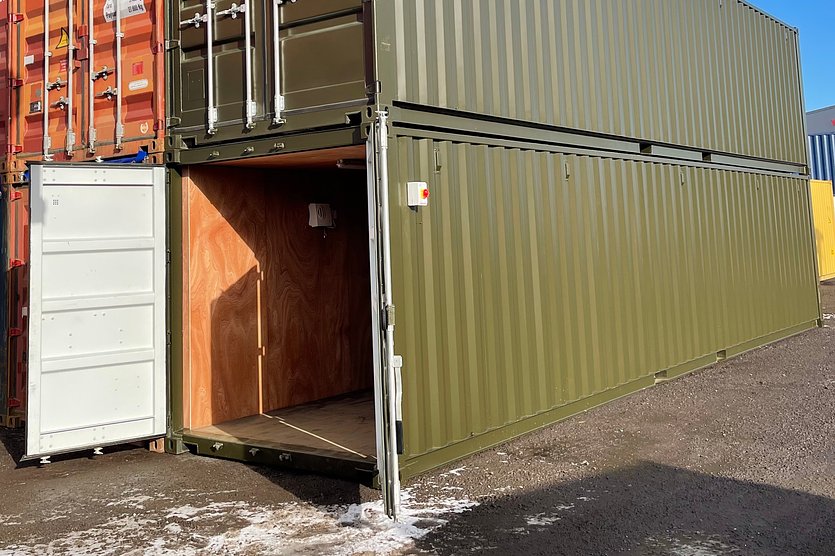
Key Applications of Shipping Containers
| Category | Application Examples |
|---|---|
| Residential | Container homes, small houses |
| Business | Pop-up shops, restaurants |
| Storage | Warehousing, inventory storage |
| Industrial | Workshop areas, site workplaces |
| Leisure | Camping units, pool houses |
| Emergency situation | Catastrophe relief shelters, very first aid stations |
| Farming | Hydroponic farms, greenhouses |
Benefits of Shipping Container Solutions
- Affordability: Compared to traditional structure materials and techniques, shipping containers are often more cost-effective.
- Toughness: Made of corten steel, they can stand up to severe weather condition and resist deterioration.
- Movement: Containers are designed for simple transport through roadway, rail, or sea, offering flexible moving alternatives.
- Sustainability: Reusing shipping containers reduces the carbon footprint associated with new construction.
- Modularity: Containers can be stacked or signed up with to develop bigger areas, tailoring solutions to specific requirements.
- Quick Construction: Site preparation and building time are significantly reduced compared to conventional structures.
Shipping Container Homes: A Sustainable Living Solution
One of the most notable applications of shipping containers is in property architecture. Custom Shipping Containers container homes have actually acquired appeal due to their simpleness and eco-friendliness.
Functions of Container Homes
- Adjustable Layouts: Individuals can design their homes according to individual choices while sticking to regional building regulations.
- Energy Efficiency: With correct insulation and solar panel installations, container homes can attain high levels of energy performance.
- Low Maintenance: The materials used for Shipping Container Cabin containers need less upkeep than traditional homes.
Cost Breakdown of a Shipping Container Home
| Cost Component | Approximated Cost |
|---|---|
| Container Purchase | ₤ 2,000 – ₤ 5,000 per system |
| Website Preparation | ₤ 1,000 – ₤ 5,000 |
| Insulation | ₤ 1,500 – ₤ 3,000 |
| Utilities Setup | ₤ 2,000 – ₤ 5,000 |
| Interior Finishing | ₤ 5,000 – ₤ 20,000 |
| Total | ₤ 11,500 – ₤ 38,000 (omitting land costs) |
Transforming Business Spaces with Shipping Containers
Companies looking for innovative and economical solutions are turning to shipping containers for pop-up stores and restaurants. These mobile structures can develop a physical existence in high-traffic areas without the high overhead costs of conventional shops.
Key Benefits for Commercial Uses
- Quick Setup: Containers can be converted and opened to clients in a fraction of the time required for conventional builds.
- Pop-Up Potential: They offer businesses the flexibility to evaluate new markets without long-lasting commitments.
- Brand Distinction: Their distinct look can help bring in consumers and develop memorable marketing chances.
Innovative Uses Beyond Storage
While shipping containers are typically used for storage, their capabilities extend far beyond that.
Examples of Creative Container Solutions
- Hydroponic Farms: Shipping containers can be transformed into self-sufficient farms geared up with regulated growing environments.
- Mobile Medical Clinics: In underserved areas or during disaster relief, containers can act as mobile health facilities.
- Event Spaces: Containers can be changed into versatile locations for shows, wedding events, or exhibitions.
Often Asked Questions
1. Are shipping containers safe to reside in?
Yes, shipping containers can be safe for residential use as long as they are effectively insulated, ventilated, and maintain essential energies. It is necessary to have a comprehensive inspection before relocating.
2. What type of structure do shipping containers require?
Shipping Intermodal Containers usually need a leveled foundation, which can be made from concrete, gravel, or other strong products to provide stability.
3. How much does it cost to convert a shipping container into a home?
The cost can differ extensively depending on modifications, size, and finishes but averages in between ₤ 11,500 to ₤ 38,000, omitting land expenses.
4. Do shipping containers require building licenses?
Yes, getting appropriate authorizations is essential for compliance with local regulations and structure codes. Constantly consult local authorities before beginning a project.
5. How long do shipping containers last?
With proper upkeep and care, shipping containers can last for 25 years or more. Their longevity makes them an outstanding financial investment compared to traditional structures.
Shipping container solutions present flexible, sustainable, and cost-effective alternatives for both personal and business usage. From housing to ingenious business applications, these structures can be adapted to satisfy varied requirements. As more people and organizations welcome shipping container solutions, they are not just reshaping horizons however likewise influencing way of lives and business methods around the globe.
For anyone thinking about a shipping container task– whether for living, business, or leisure– comprehending the chances and difficulties will lead to a successful and fulfilling result.