The Most Successful Exercise Cycle Gurus Can Do 3 Things
The Exercise Cycle: Understanding Its Benefits and Best Practices
Intro
In an age where inactive lifestyles have become progressively common, the importance of physical conditioning can not be overemphasized. An exercise cycle, or stationary bike, has emerged as a popular and reliable option for individuals seeking to enhance their cardiovascular health, boost their fitness levels, or merely incorporate regular workouts into their daily regimens. This article explores the numerous advantages of an exercise cycle, optimal usage pointers, safety preventative measures, and responses often asked concerns.
What is an Exercise Cycle?
An exercise cycle is a stationary fitness machine designed to simulate cycling motions. It allows people to engage in cardiovascular exercises without requiring the space or conditions of outdoor cycling. With adjustable resistance levels and numerous integrated workout programs, exercise cycles can accommodate a wide variety of fitness levels, making them accessible to both beginners and experienced professional athletes.
Types of Exercise Cycles
| Type | Description |
|---|---|
| Upright Cycle | Simulates the position of a traditional roadway bike; motivates an active cycling posture. |
| Recumbent Cycle | Features a bigger seat with back assistance; ideal for those looking for convenience throughout workouts. |
| Indoor Spin Bike | Designed for high-intensity interval training (HIIT) and group biking classes; generally lightweight. |
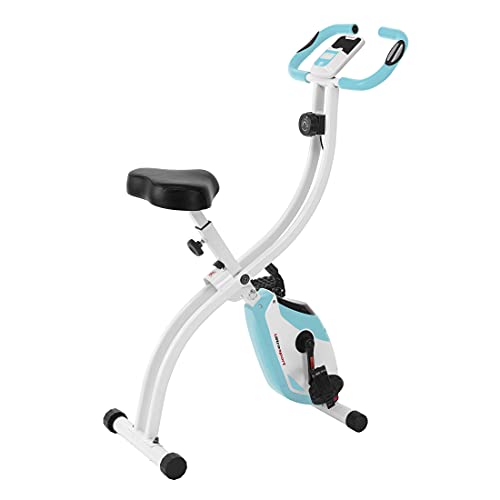
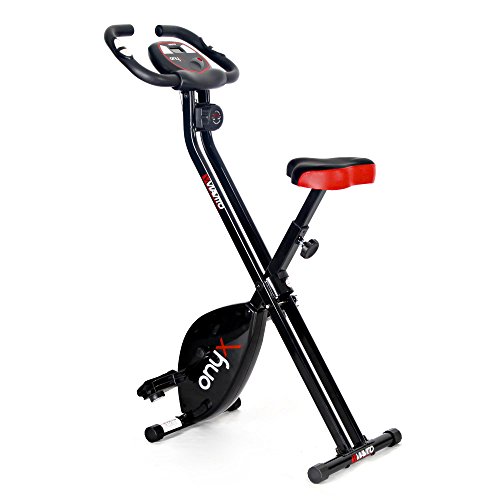
| Folding Cycle | Compact and portable; folds for simple storage, making it an excellent choice for small spaces. |
Benefits of Using an Exercise Cycle
1. Cardiovascular Health
Participating in regular cycling can considerably improve cardiovascular health. According to the American Heart Association, aerobic exercise, like biking, helps to reduce blood pressure, reduce cholesterol levels, and can even decrease the risk of stroke.
2. Weight Management
Exercising on an exercise cycle can contribute to weight-loss and management. Depending on one’s effort and strength, people can burn a significant number of calories. Here’s a rough price quote of calories burned during a 30-minute biking session based on different strengths:
| Intensity Level | Calories Burned (30 mins) |
|---|---|
| Low-intensity | 200-300 |
| Moderate-intensity | 300-400 |
| High-intensity | 400-600 |
3. Low Impact Exercise
One of the substantial benefits of biking is that it supplies a low-impact option to high-impact sports. This is particularly advantageous for people with joint problems or those recovering from injuries, enabling them to construct strength and endurance without undue stress on the body.
4. Convenience
An exercise cycle offers the convenience of exercising at home, eliminating barriers such as bad weather or commute times. Moreover, modern bikes frequently feature functions like digital screens and workout tracking, improving the overall exercising experience.
5. Mental Health Benefits
Exercise in any type has been shown to have positive effect on psychological health. Cycling can minimize tension, anxiety, and depression by releasing endorphins– vitamin D, improved sleep, and increased energy levels can further enhance wellness.
Best Practices for Using an Exercise Cycle
To optimize the advantages of an exercise cycle, here are some finest practices:
1. Adjust the Bike Properly
- Seat Height: Adjust the seat so that your leg is slightly bent when the pedal Exerciser is at its most affordable point.
- Handlebar Position: Ensure the handlebars are at a comfy height to avoid pressure.
2. Warm-Up and Cool Down
- Invest 5-10 minutes heating up with low resistance and slowly increasing strength.
- Follow exercises with a cool-down duration including light biking and stretches to promote versatility.
3. Incorporate Interval Training
- Alternate between high-intensity bursts and lower intensity for healing. This can enhance cardiovascular fitness and boost calorie burn.
4. Monitor Your Heart Rate
- Use a heart rate screen to ensure workouts remain within target heart rate zones for optimal cardiovascular benefits.
5. Stay Hydrated
- Keep a water bottle within reach and beverage water routinely during your workout to preserve hydration.
Safety Precautions
While exercise cycles are usually safe, it’s important to adhere to these preventative measures:
- Ensure the bike is on a flat, steady surface area to avoid mishaps.
- Prevent distractions; focus on your exercise instead of seeing TV or having open discussions.
- If you feel pain (beyond common tiredness), stop your exercise and examine any pain.
Often Asked Questions (FAQs)
1. How long should I ride an exercise cycle for effective workouts?
For general fitness, go for a minimum of 150 minutes of moderate-intensity aerobic exercise weekly, which translates to about 30 minutes a day on many days.
2. Can novices use an exercise cycle?
Yes! Exercise cycles are ideal for all fitness levels. Beginners ought to begin at a comfy resistance and slowly increase intensity as they end up being more accustomed.
3. Is it necessary to wear special shoes for biking?
While unique biking shoes might enhance performance, regular athletic shoes can be perfectly sufficient for casual cycling exercises.
4. How typically should I use my exercise cycle?
For optimum outcomes, it’s suggested to include biking exercises in your weekly fitness regular 3-5 times a week.
The exercise cycle supplies a versatile and efficient option for those looking for to enhance their fitness and total health. With its myriad benefits– from boosting cardiovascular fitness to supporting mental health– it’s no surprise that many people have actually embraced this type of exercise. By following finest practices and safety guidelines, anybody can take advantage of incorporating an exercise cycle into their fitness program, making every pedal a step towards a much healthier way of life.