
What’s The Current Job Market For Shipping Container Housing Professionals?
The Rise of Shipping Container Housing: An Innovative Solution for Modern Living
As urban populations continue to swell and standard housing become progressively unaffordable, innovative alternative solutions are gaining traction. One of the most innovative solutions is shipping container housing. This approach repurposes old shipping containers into practical home, striking a balance between cost, sustainability, and unique aesthetic appeals. In this post, we will check out the advantages of shipping container homes, how they compare to traditional housing, and offer answers to frequently asked concerns.
The Benefits of Shipping Container Housing
Shipping container homes use a number of advantages, which can be summed up in the table below:
| Benefit | Description |
|---|---|
| Cost | Lower construction costs due to the accessibility of used containers. |
| Sustainability | Eco-friendly alternative, reducing waste by repurposing containers. |
| Sturdiness | Strong steel structure makes them resistant to numerous ecological factors. |
| Modular Flexibility | Easily expandable and customizable layouts as they can be stacked or integrated. |
| Quick Construction | Reduced structure time compared to standard homes. |
| Mobility | Can be transferred if needed; suitable for momentary living circumstances. |
| Distinct Aesthetic | Distinct commercial look that can be customized with imaginative styles. |
Affordability
Among the most compelling factors to think about shipping container housing is its cost-effectiveness. A used 40ft Shipping Container container can cost anywhere from ₤ 1,500 to ₤ 5,000, depending upon its condition and place. This is significantly lower than traditional housing, making it an attractive choice for novice buyers and those on a budget.
Sustainability
With an increasing focus on sustainability, shipping container homes align perfectly with eco-friendly practices. By repurposing containers that may otherwise sit unused or end up being scrap metal, house owners can decrease their carbon footprint. Additionally, many shipping container homes utilize green innovations such as photovoltaic panels and rainwater harvesting systems.
Toughness
Shipping containers are developed to endure severe climate condition and heavy loads during transport. Their steel structure is resistant to termites, mold, and fire, making them a safe and lasting choice for housing. This sturdiness translates into lower upkeep costs with time.
Modular Flexibility
Shipping Container Solutions container homes are versatile in design. House owners can pick to stack containers or connect them side-by-side, developing tailored spaces fit to their needs. This modular technique permits simple expansion as families grow.
Quick Construction
Standard homes can take a number of months or perhaps years to construct, however shipping container homes can typically be finished in simply a few weeks, thanks to their pre-fabricated nature. This fast construction suggests that people can move into their homes much faster.
Portability
Unlike traditional houses that are repaired to an area, shipping container homes can be moved if essential. This makes them an enticing option for those who desire versatility or plan to take a trip.
Special Aesthetic
The industrial look of shipping Portable Storage Containers provides itself to unique architectural styles that stand apart from traditional homes. With proper insulation and ending up touches, these homes can be transformed into elegant, contemporary living areas.
Comparing Shipping Container Homes and Traditional Homes
When evaluating housing choices, it’s important to think about numerous factors. The table below illustrates some essential differences in between Buy Shipping Containers container homes and standard homes:
| Characteristic | Shipping Container Homes | Standard Homes |
|---|---|---|
| Cost | Typically lower, beginning around ₤ 30,000 | Greater, typically surpassing ₤ 200,000 |
| Construction Time | Rapid, weeks to a few months | Lengthy, numerous months to years |
| Toughness | Really durable; resistant to different threats | Long lasting, however more prone to weathering |
| Design Flexibility | Extremely adjustable and modular | Conventional designs, restricted in personalization |
| Environmental Impact | Environment-friendly; reduced waste | Environmental impact differs based on materials |
| Zoning and Regulations | May face zoning challenges due to non-traditional status | Usually follows established structure codes |
Frequently Asked Questions (FAQ)
1. Can I fund a shipping container home?Yes, lots of
lenders are starting to use funding options for shipping container homes. However, it’s essential to inspect regional policies and make sure that your home satisfies building regulations to assist in the lending procedure.
2. Are shipping containers insulated?Shipping containers
are not insulated by default. Appropriate insulation, such as spray foam, stiff foam board, or traditional insulation products, is essential for temperature control and energy performance.
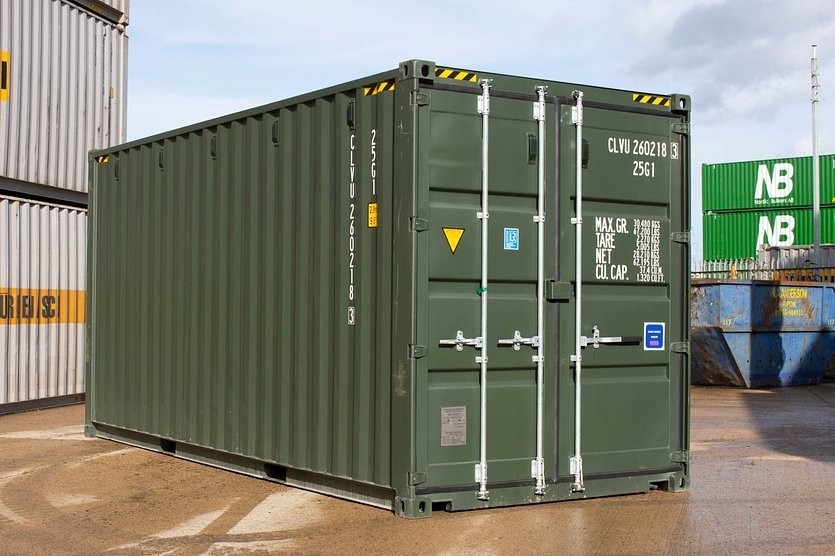
3. How do I find a shipping container home builder?Research regional home builders concentrating on container homes and inspect evaluations or case research studies of their previous jobs. Networking with container home communities online can also supply suggestions. 4. Do I need an authorization to construct a shipping container home?Most locations need building authorizations, so it’s vital to consult your local zoning and structure department before beginning construction. 5. Are shipping containers safe to live in?Absolutely! Once properly modified and fitted with essential systems(pipes
, electrical, and HVAC), shipping container homes can be just as safe as standard homes. Shipping container housing is an ingenious action to contemporary housing challenges. By offering price, sustainability, toughness, and unique design chances, this technique of construction is gaining interest from numerous demographics– especially millennials and those looking for a minimalistic way of life. As more people and households explore this alternative living option, it is clear that shipping container homes represent a potential option to contemporary housing needs.